What Makes a Car Worth Over $1 Million?
Marcus Delacroix
September 5, 2024 · 7 min read
At what point does a car transcend mere transportation and become something else entirely — an investment, a statement, a piece of rolling sculpture? The answer, for the world's most expensive automobiles, lies in a combination of engineering achievement, exclusivity, craftsmanship, and heritage that cannot be replicated at any price point below seven figures.
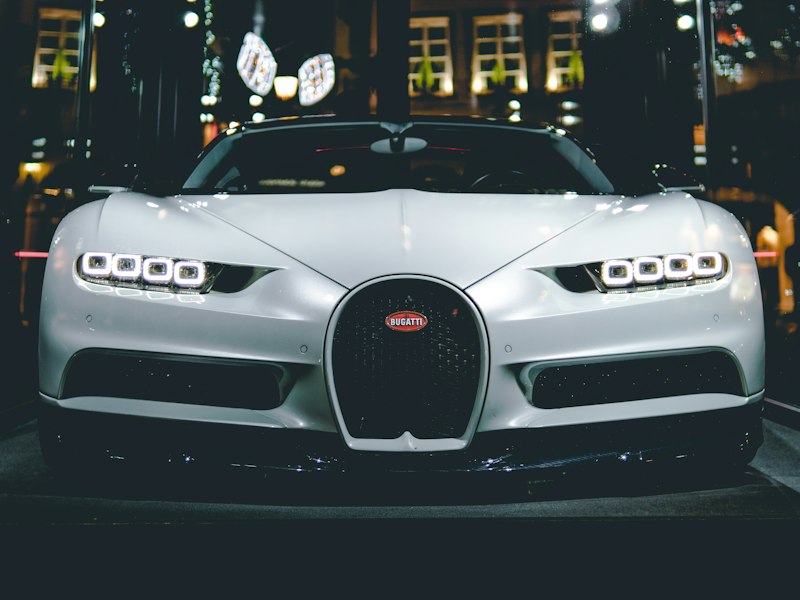
The Bugatti Chiron, at $3.2 million, represents the engineering argument for million-dollar cars. Every component is manufactured to tolerances that would be considered excessive in aerospace applications. The carbon fibre monocoque chassis is hand-laid by craftspeople who spend years mastering the technique. The W16 engine is assembled by a single technician who signs their name on a plaque inside the engine bay. You are not buying a car — you are buying the accumulated expertise of hundreds of specialists.
The Rolls-Royce Phantom, at $450,000 and above, makes a different argument — the craftsmanship argument. The Phantom's interior contains over 450 individual components, each hand-finished to a standard that no machine can replicate. The Gallery dashboard — a glass-enclosed display case that can contain almost anything the client desires — takes over 100 hours to create. The Phantom is a bespoke commission, not a production car.
Then there is the investment argument. Limited-edition hypercars from Ferrari, McLaren, and Bugatti routinely appreciate in value after purchase. The Ferrari LaFerrari, originally priced at $1.4 million, now trades for over $4 million. The Bugatti La Voiture Noire, at $18.7 million, is the most expensive new car ever sold. For buyers at this level, the car is as much a financial asset as it is a driving experience. What makes a car worth over $1 million? Everything — and nothing that can be easily explained to someone who has to ask.